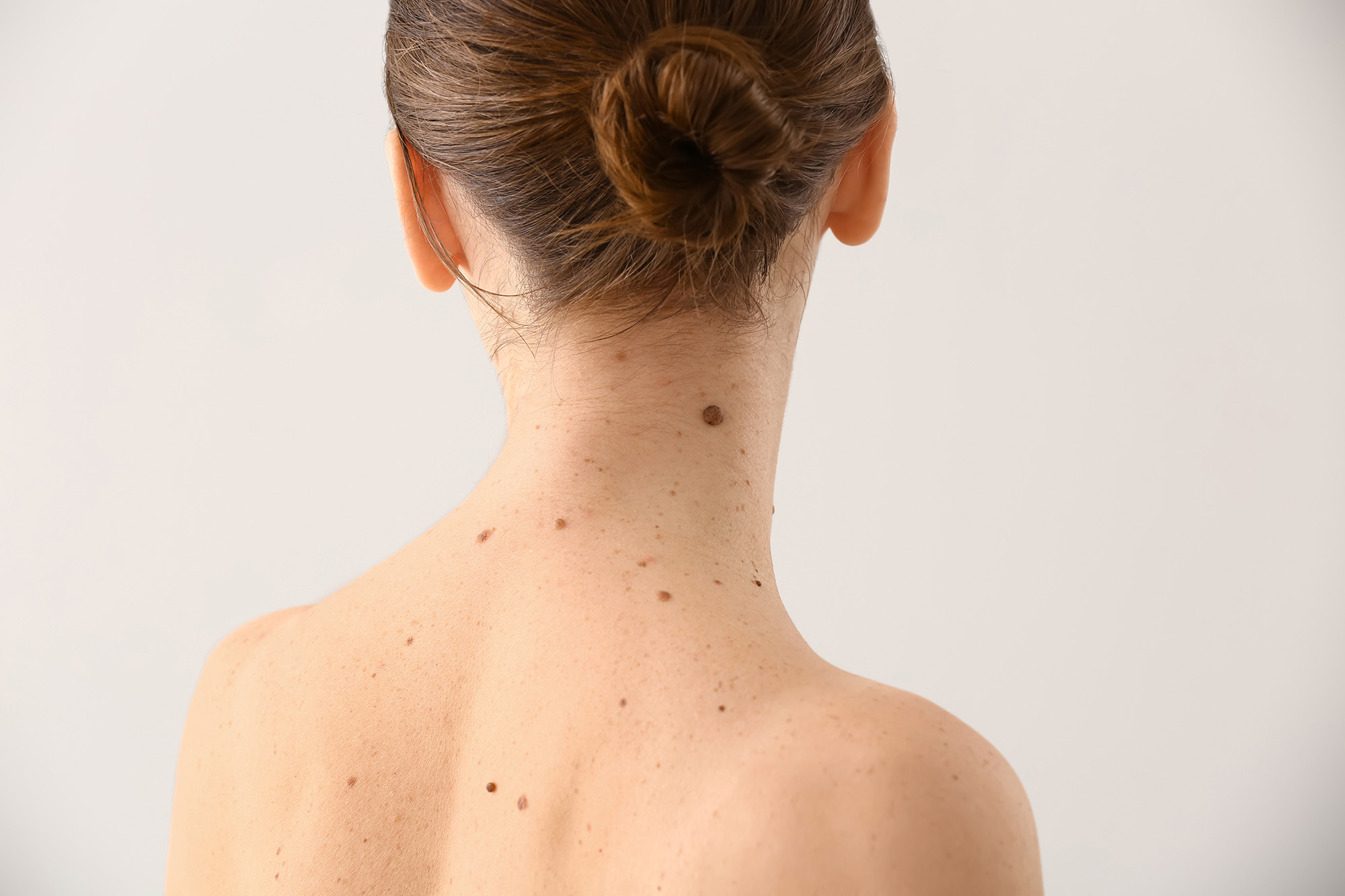
What is Lesion Removal?
Lesion removal is a safe and effective procedure used to treat a variety of common skin growths and blemishes. At Skin Sister, we have a variety of treatment options.
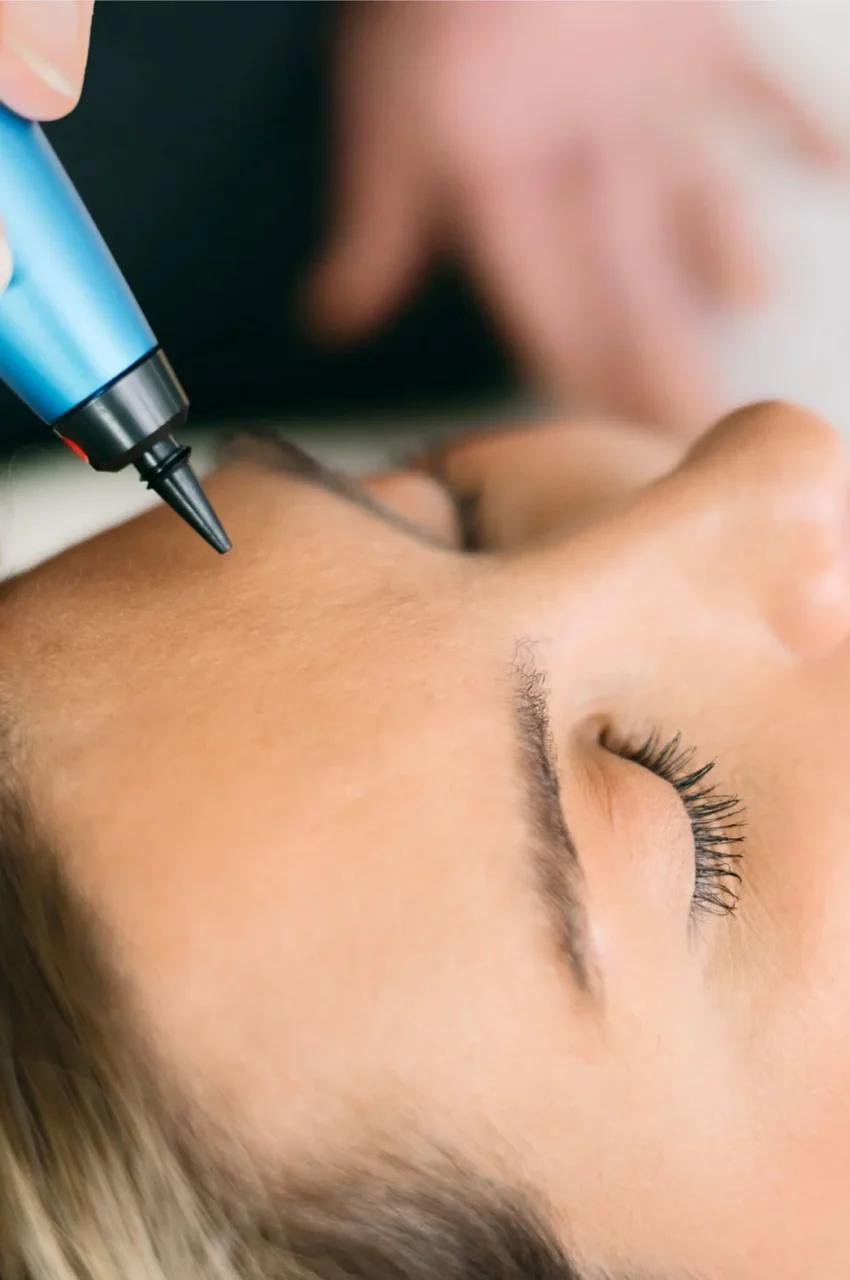
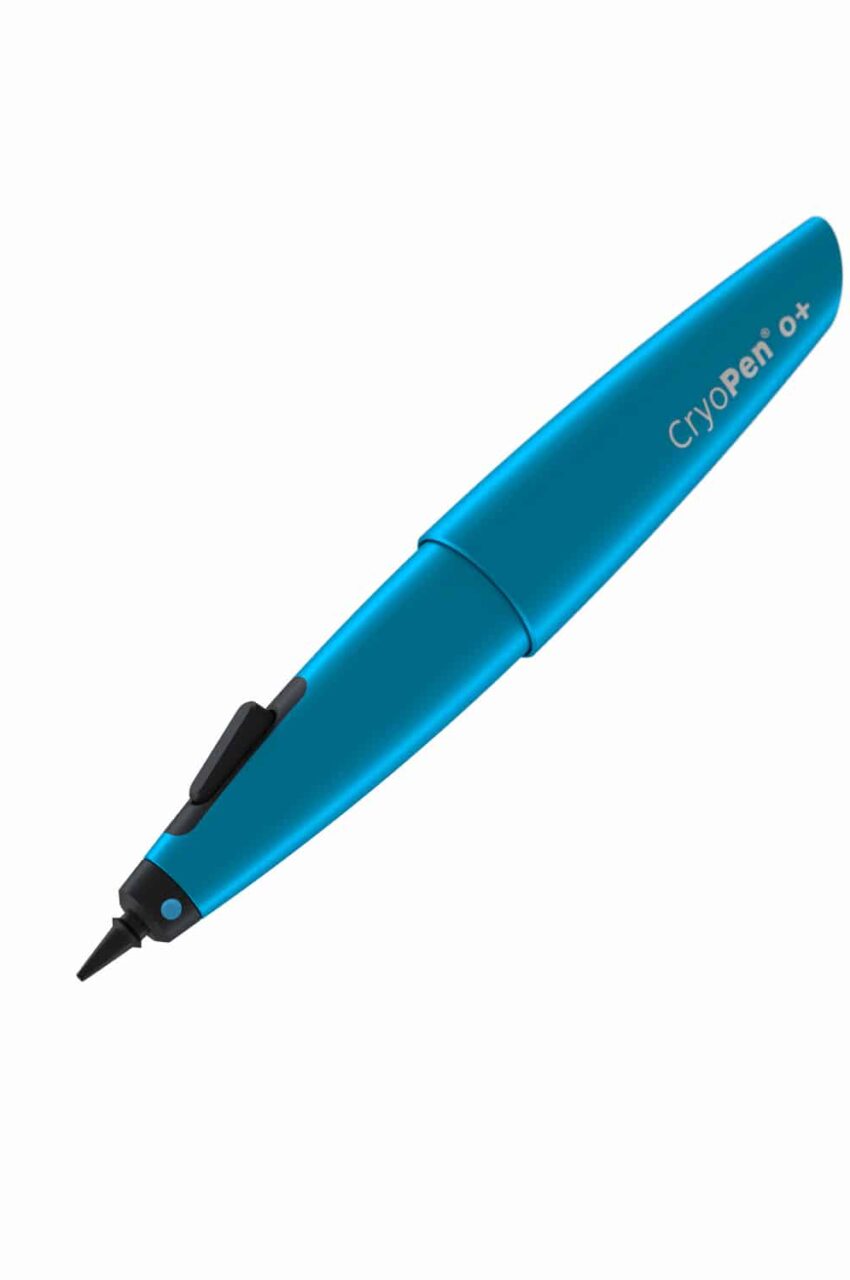
CryoPen can be used to freeze off lesions. This is the preferred method for most lesions. Treatment time is very quick. Lesions usually take 7-14 days to dry up and fall off.
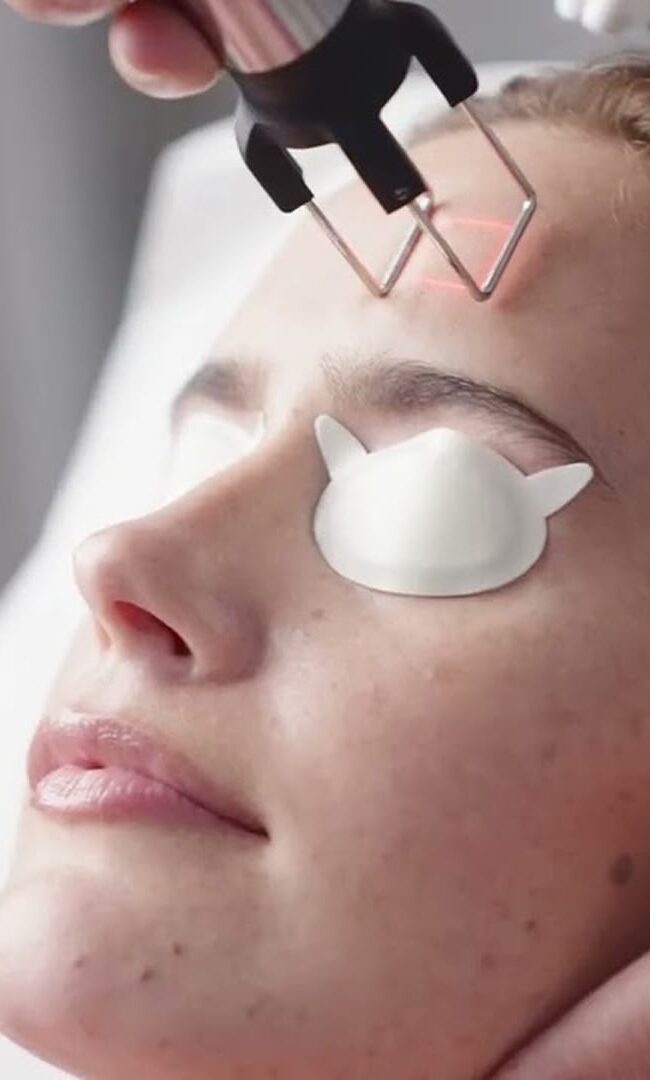
We also use our CO2 surgical laser handpiece to instantly remove lesions too. Treatment is a little more uncomfortable than CryoPen, however results are instant as we can physically remove the lesion in one sitting.
Both methods are ideal for patients who are looking for fast, clinically led solutions without surgery.
This treatment is carried out by medical professionals and is suitable for both facial and body lesions.
Important:
>Before mole removal, please ensure your doctor has seen the mole and confirmed this is safe for removal.
>We can treat the following lesions without you having seen a doctor first: Seborrheic Keratosis, skin tags, milia, warts, dermatofibroma, sun spots, cherry spots, sebaceous hyperplasia.

Treatment Length
Ten to thirty minutes

Results Seen
Within one to three weeks

Duration of Results
Permanent removal of treated lesion

Session Frequency
Usually one session per lesion (larger or stubborn lesions may require more)
How It Works
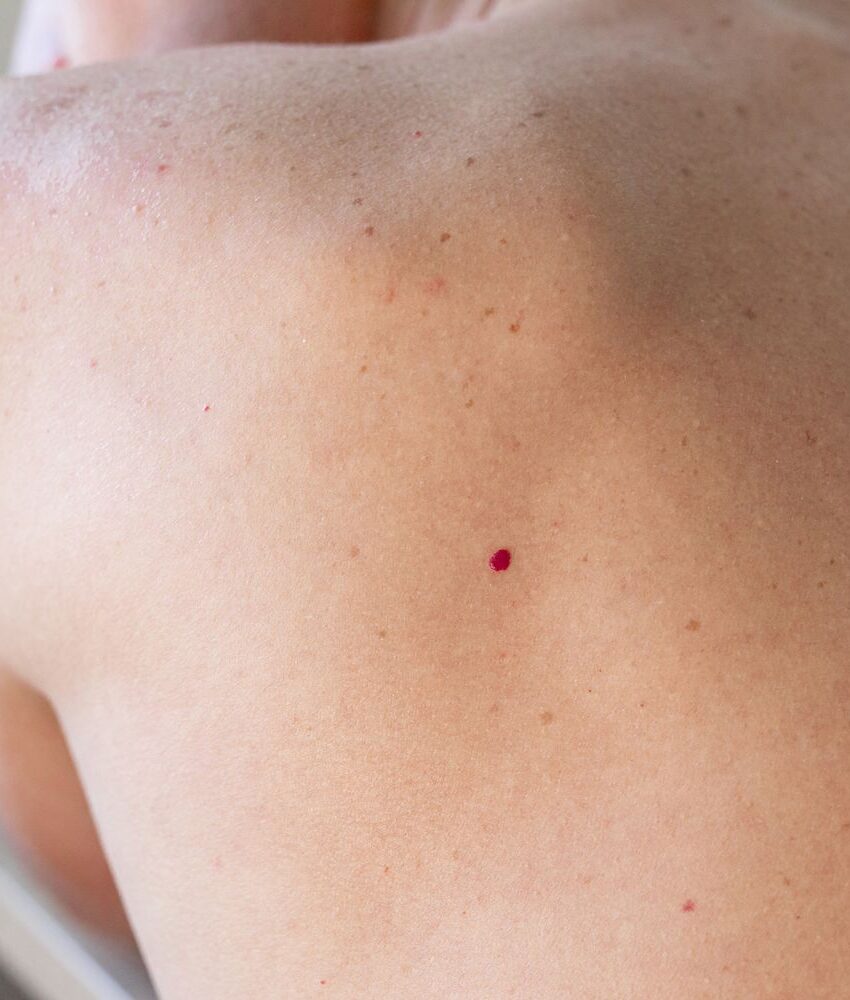
CryoPen uses a highly targeted jet of nitrous oxide to freeze the water in skin cells, causing the cells to rupture and the lesion to gradually fall away. It is especially effective for raised or vascular lesions like skin tags and cherry angiomas. The lesion will dry up and drop off in the space of 7-14 days.
Laser using the CO2 Smartxide Punto. Treatment is carried out in a matter of minutes, using a process called thermolysis (vaporization). The CO2 laser mole removal procedure is non-surgical, minimally invasive and comfortable. Depending on the size of the lesion, it can take anything from immediate removal, to 2 days for the lesion to fall off.
Normally, side effects and scarring is minimal and procedures can be carried out on the same day of assessment.
Using both technologies allows us to treat a wide range of lesion types with precision and tailored care.
Your Results
Depending on the treatment method selected, treated lesions typically fall away within two to fourteen days, although deeper or larger lesions may take slightly longer. Once healed, the skin is left smooth and clear. In some cases, a second session may be required, particularly for stubborn or thick lesions.
Results are long-lasting and in most cases permanent, although new lesions may develop over time depending on genetics, sun exposure or skin type.
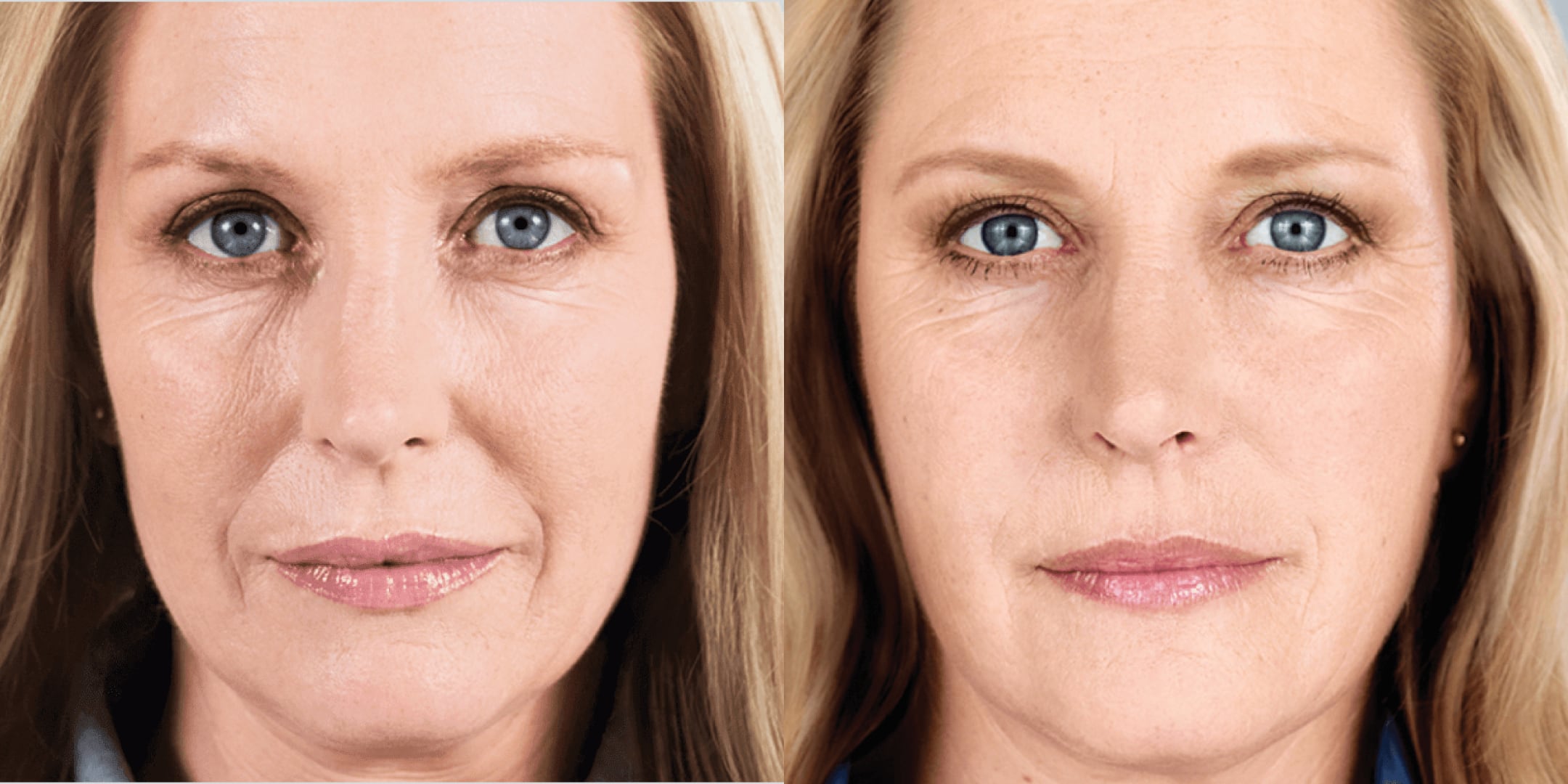
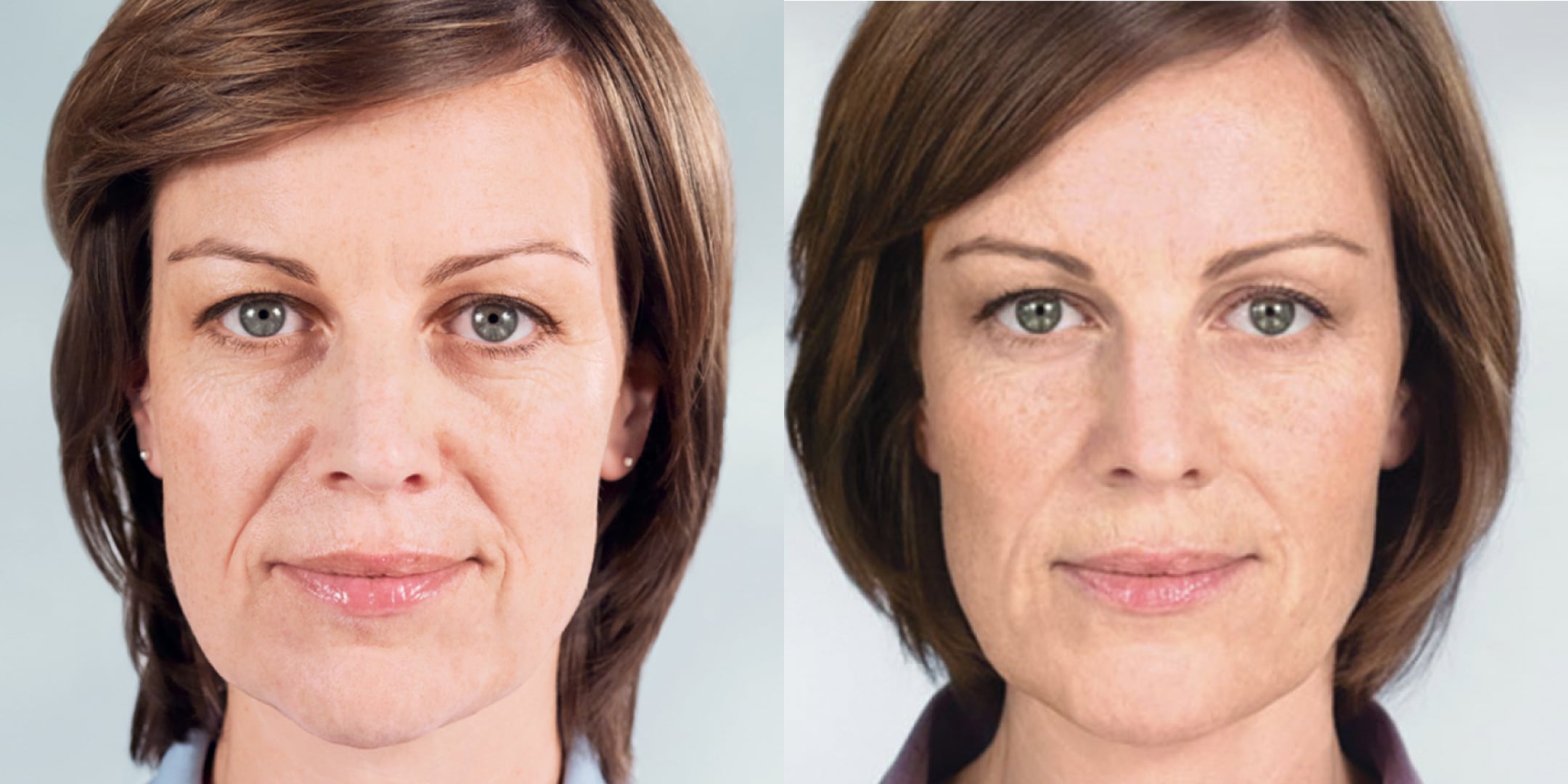
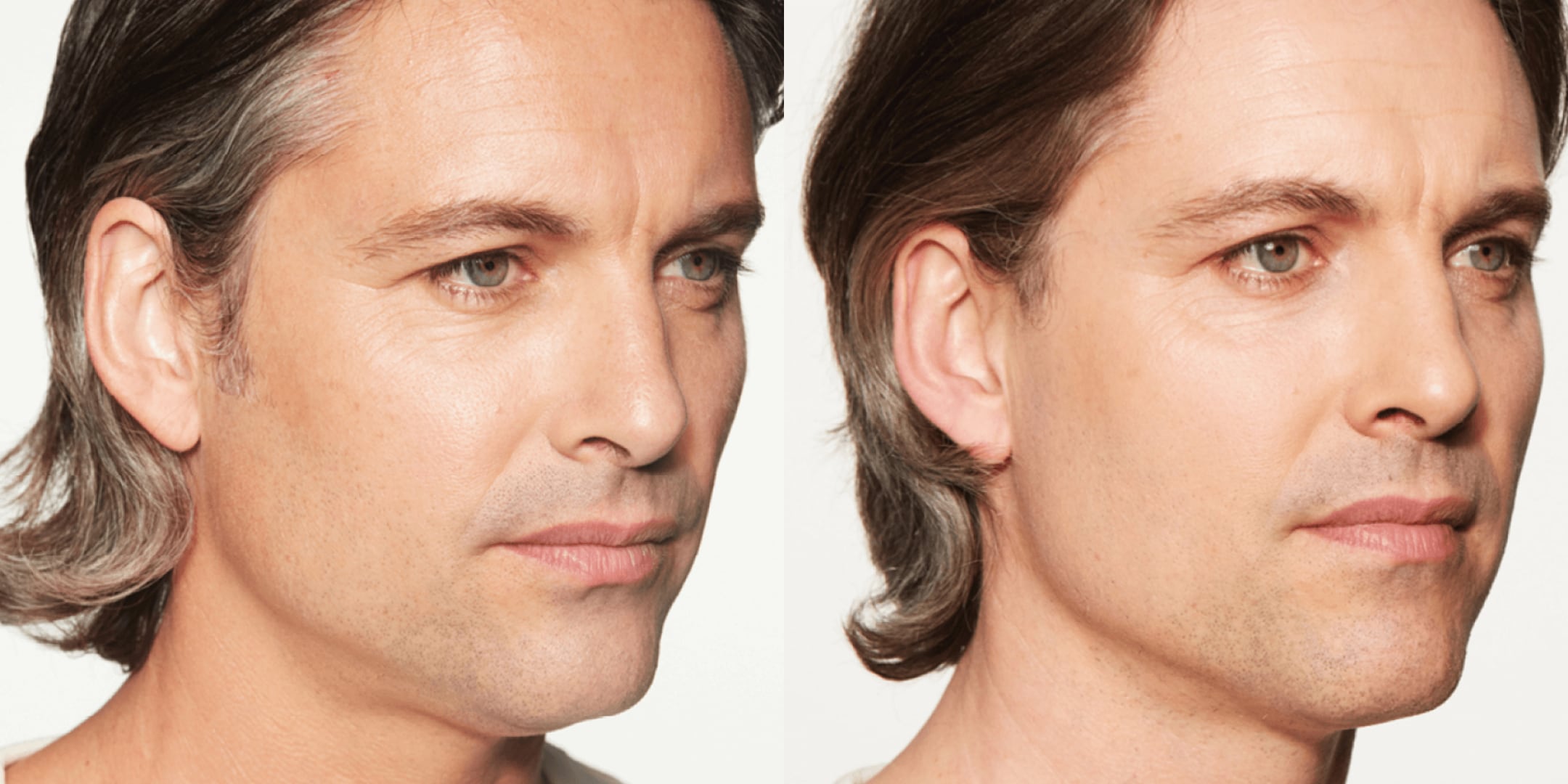
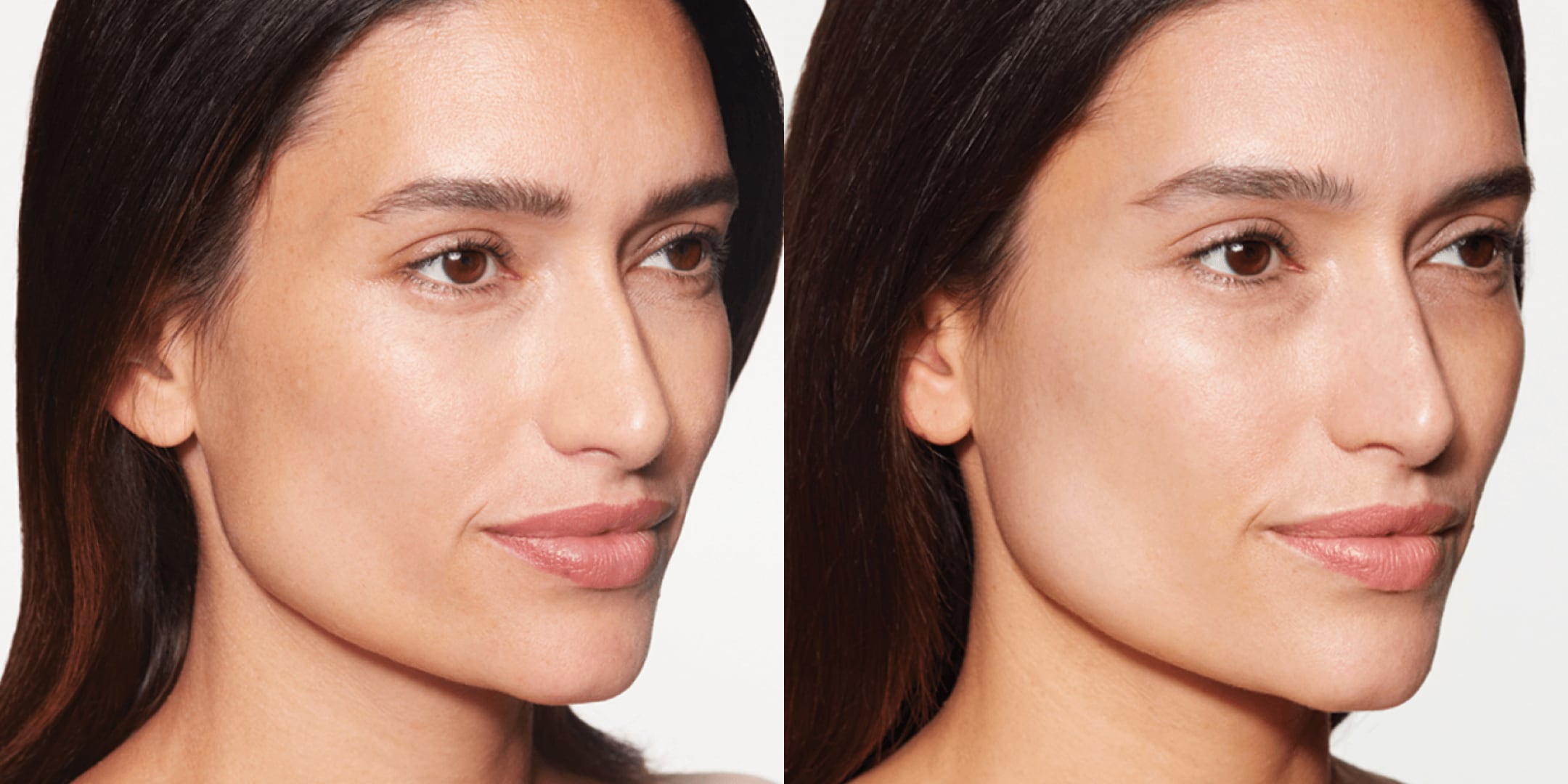
Before and After Treatment Tips
After Treatment
After treatment, the area may appear red, slightly swollen or form a small blister. This is a normal part of the healing process. Avoid picking or scratching the area and allow the skin to heal naturally. Keep the area clean, avoid sun exposure, and apply SPF daily to protect healing skin.
Before Treatment
Before treatment, the area should be clean and free from makeup, lotions or active skincare. Patients seeking mole removal must provide written GP confirmation that the mole is benign and safe to treat.
Please avoid sunbathing 1 month prior and 1 month after treatment.
Lesion Removal
Frequently Asked Questions
What can be treated with the CryoPen?
CryoPen treats:
- Warts
- Skin tags
- Moles (with written GP approval)
- Seborrheic keratosis
- Cherry angiomas (cherry spots)
- Sun spots (solar lentigines)
- Milia
- Sebaceous hyperplasia
What is the difference between CryoPen and Diathermy?
CryoPen freezes the lesion, while Laser uses heat. The technique is chosen based on lesion type and location.
Does the treatment hurt?
Discomfort is minimal. Patients may feel a cold sting with CryoPen or a warm pinprick with Diathermy.
How soon will the lesion fall off?
Most lesions fall away within one to three weeks, depending on the method used and the lesion type.
Is mole removal safe?
Yes, provided it is cleared in writing by your GP to confirm the mole is benign and safe to treat.
Will there be scarring?
In most cases, no. Patients are given clear aftercare to help minimise any risk of scarring.
Can I wear makeup after treatment?
Makeup can be worn once the area has healed. Until then, keeping the area clean and makeup-free is recommended.
Are there any risks?
Mild redness, scabbing or temporary pigmentation changes can occur but usually resolve with proper aftercare.
How many lesions can be treated in one session?
This depends on the size and location of the lesions. Multiple small lesions can often be treated during a single visit. Please email us with photographs and we can advise.